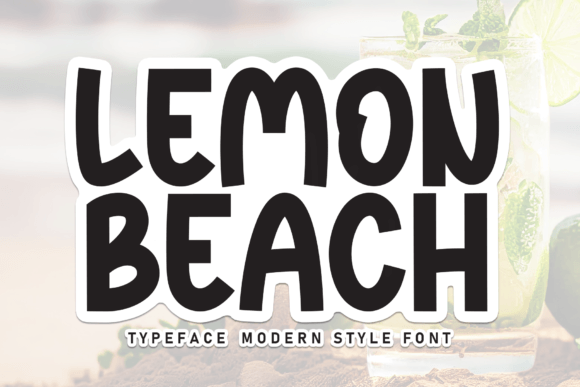
Lemon Beach: A Handwritten Typeface for Modern Web Design
In the crowded digital landscape, establishing an immediate emotional connection with visitors is the difference between a bounce and a conversion. As web designers and UI specialists, we often rely on clean sans serif fonts for body copy to ensure maximum readability, but the personality of a brand is frequently established in the headers, hero sections, and call-to-action buttons. This is where Lemon Beach shines. Available as a premium offering from Script Amp, this timeless handwritten font brings a unique, human touch to digital interfaces that sterile geometric typefaces simply cannot replicate.
Lemon Beach is not just a decorative element; it is a strategic design asset. Its visual characteristics strike a delicate balance between casual approachability and refined elegance. Each letter features a unique and beautiful touch, avoiding the repetitive uniformity that plagues many lower-quality script fonts. For a digital product creator or a SaaS founder, this means your landing page headers feel crafted by hand rather than generated by an algorithm, fostering a sense of authenticity that builds brand trust.
Elevating Visual Hierarchy in Digital Layouts
The primary role of any display font in web design is to guide the user's eye through the content hierarchy. Lemon Beach excels in this regard due to its distinct stroke contrast and organic flow. When used in hero sections or above-the-fold content, it immediately draws attention without screaming for it. Unlike aggressive bold sans serifs that can feel corporate or cold, this handwritten font invites the user in.
Consider a coaching website or a creative portfolio. The goal is to showcase personality while maintaining professionalism. By utilizing Lemon Beach for the main value proposition headline, you create a focal point that feels personal. However, effective visual hierarchy requires restraint. This typeface is best reserved for short phrases, logo text, section headings, and decorative accents. It should not be used for long paragraphs of body copy, as the intricate details of the script can reduce scanning speed on smaller screens.
To maintain optimal readability, pair Lemon Beach with a clean, neutral sans serif font for your supporting text. This classic font pairing strategy ensures that while your brand identity feels warm and inviting, the actual information remains easy to digest. For editorial-style blogs or boutique online stores, you might even pair it with a modern serif font to create a sophisticated, magazine-like digital experience.
Strategic Applications for Brand Identity and Conversion
When designing conversion-focused layouts, every pixel serves a purpose. Lemon Beach can be strategically deployed in several key areas to enhance user engagement:
- Hero Headers: Use it to highlight the primary benefit of a product or service, making the value proposition feel bespoke.
- Call-to-Action Buttons: For buttons with short text like "Join Us" or "Get Started," the handwritten style can increase click-through rates by feeling less like a command and more like an invitation.
- Logo Design: Its unique letterforms make it an excellent candidate for logotypes, especially for lifestyle brands, bakeries, or creative agencies looking for a memorable mark.
- Social Media Graphics: Consistency across platforms is vital. Using the same typeface for Instagram stories or Pinterest pins reinforces brand recognition.
- Testimonial Accents: Highlighting customer quotes in Lemon Beach adds a layer of human validation to social proof sections.
For online store owners, this font works exceptionally well on banner images and product packaging previews. It suggests craftsmanship and attention to detail, qualities that justify premium pricing. In the context of course sales pages, using Lemon Beach for module titles or bonus section headers can make the curriculum feel more accessible and less intimidating.
Optimizing for Mobile and Responsive Environments
A common pitfall when using script fonts in web design is neglecting mobile responsiveness. What looks elegant on a 27-inch monitor can become an illegible scribble on a smartphone screen. When implementing Lemon Beach, you must pay close attention to sizing and line height. On mobile devices, ensure the font size is large enough to preserve the integrity of the letterforms. Avoid using it for navigation menus or small interface elements where precision is required.
Contrast is another critical factor. Because handwritten fonts often have varying stroke widths, they can get lost against busy backgrounds. Always test Lemon Beach on both light and dark backgrounds. If placing text over an image, use a solid overlay or a subtle drop shadow to ensure the text pops. For dark mode interfaces, verify that the thinner strokes of the font remain visible and do not disappear into the background noise.
Technical Considerations and Licensing
Before integrating Lemon Beach into a client project or a commercial template, it is essential to review the technical specifications provided by Script Amp. Check for webfont availability (such as WOFF or WOFF2 formats) to ensure fast loading times, which is a crucial ranking factor for SEO and user experience. Look for included alternates or ligatures that allow you to vary the look of repeated letters, preventing the "stamped" look that occurs when the same glyph is used repeatedly in a word.
Furthermore, always adhere to proper commercial font licensing. Whether you are building a site for a local business, a global e-commerce platform, or a digital template to sell on marketplaces, you must secure the appropriate license. This protects both you and your client from legal issues and supports the type foundry. Most premium fonts offer specific licenses for desktop use, web embedding, and app integration, so choose the one that matches your distribution method.
In summary, Lemon Beach is more than just a pretty typeface; it is a versatile tool for shaping brand perception. By understanding its strengths in creating emotional resonance and applying it with technical precision, web designers can craft digital experiences that are not only visually stunning but also highly effective at communicating brand values. Whether you are refining a brand identity kit or launching a new product landing page, this font offers the perfect blend of charm and professionalism needed to stand out in the modern web ecosystem.